works
works
Graphic Design
Godspell
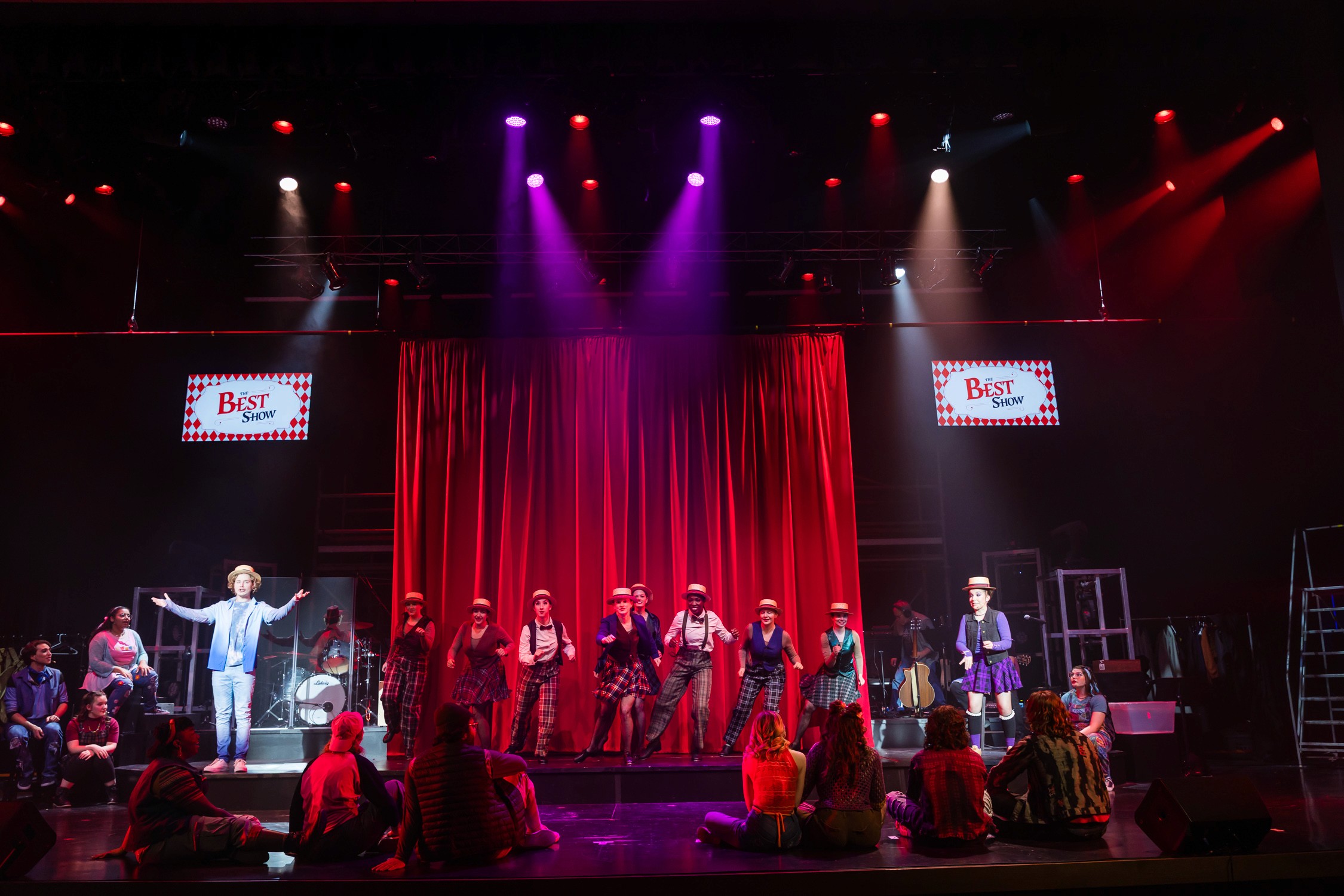
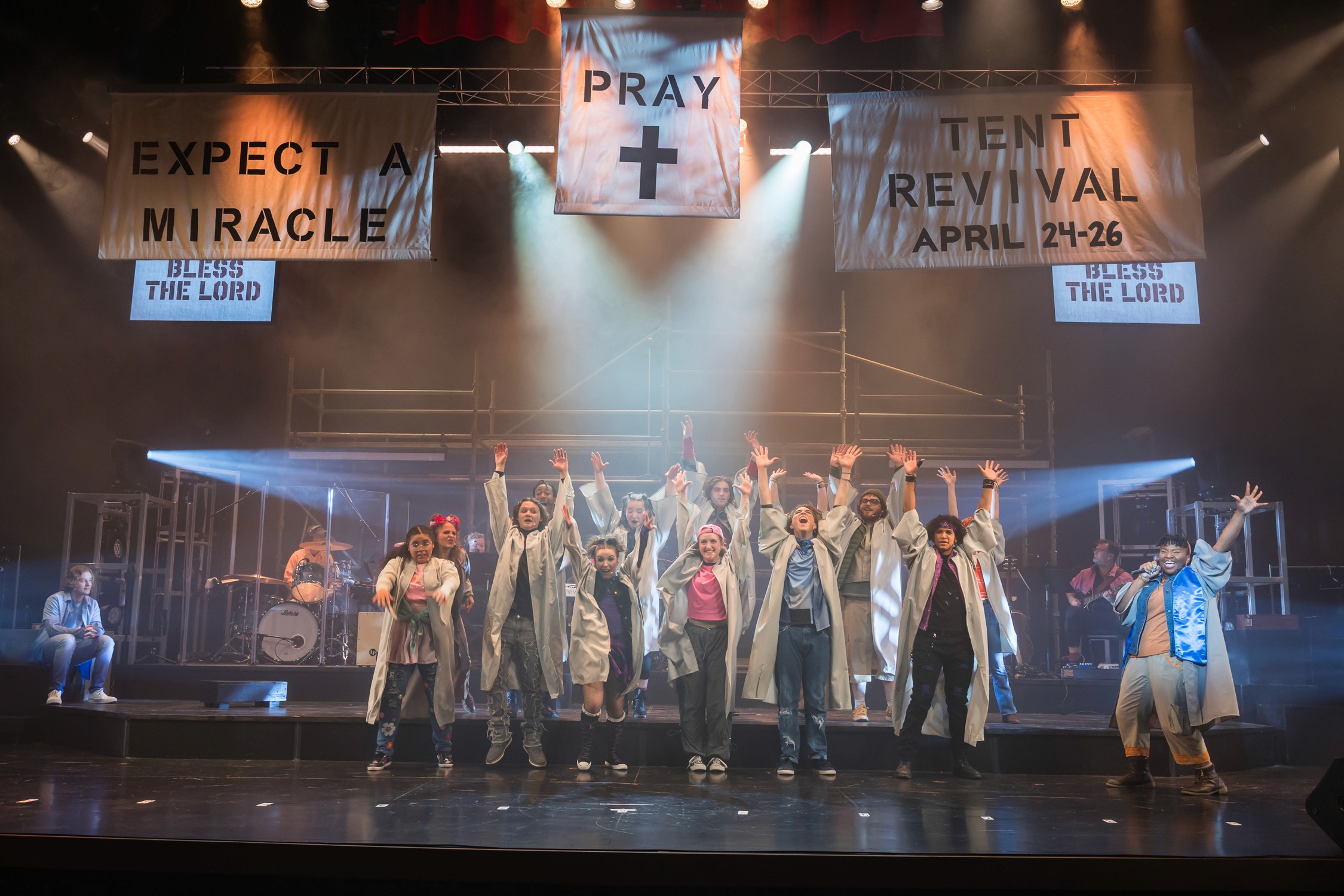
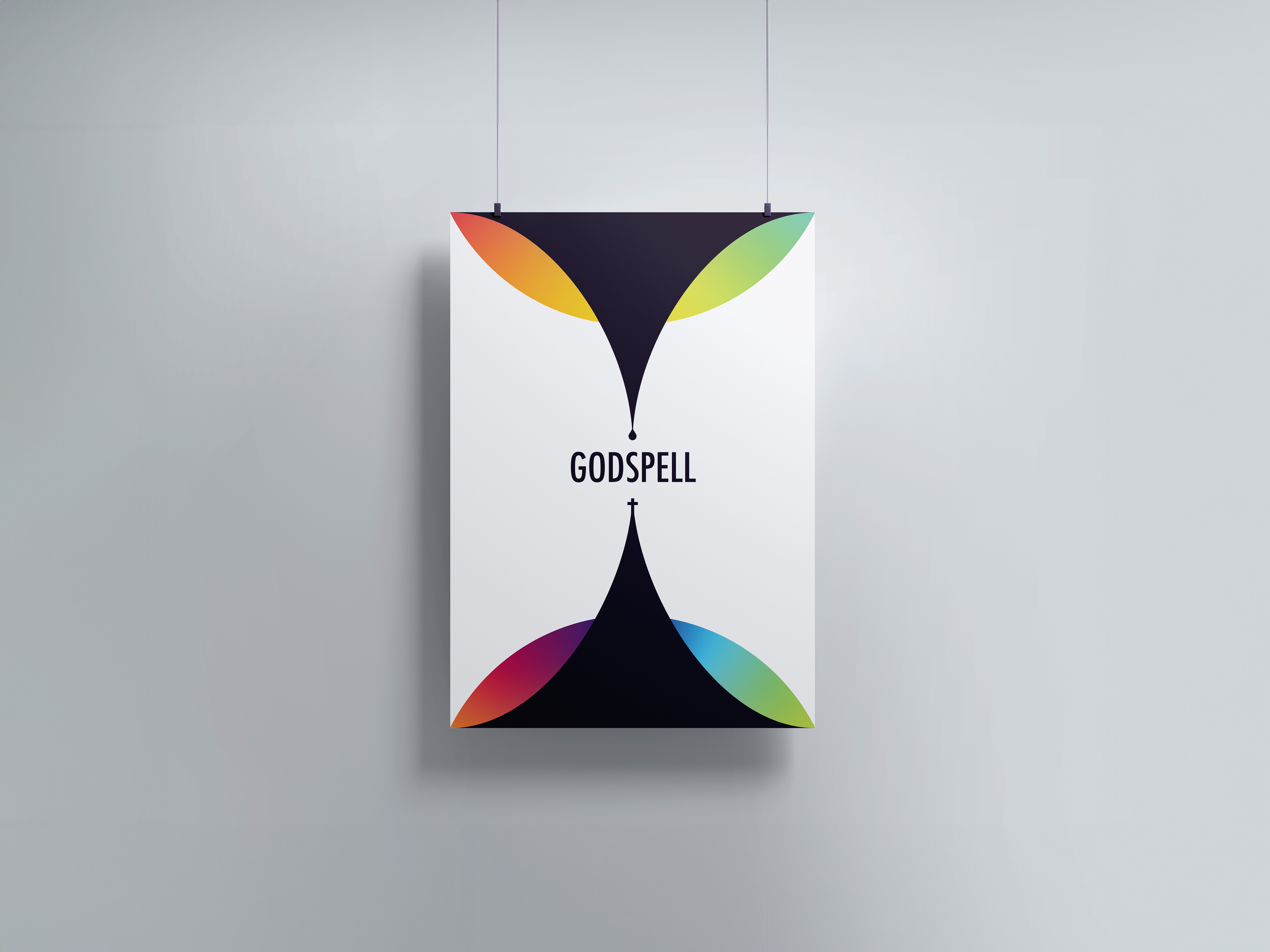
This project was created for a production of Godspell a musical by Stephen Schwartz and John-Michael Tebelak, performed at Oral Roberts University.
Category
Graphic Design
year
2025
Project process
creative process
creative process
creative process
approach
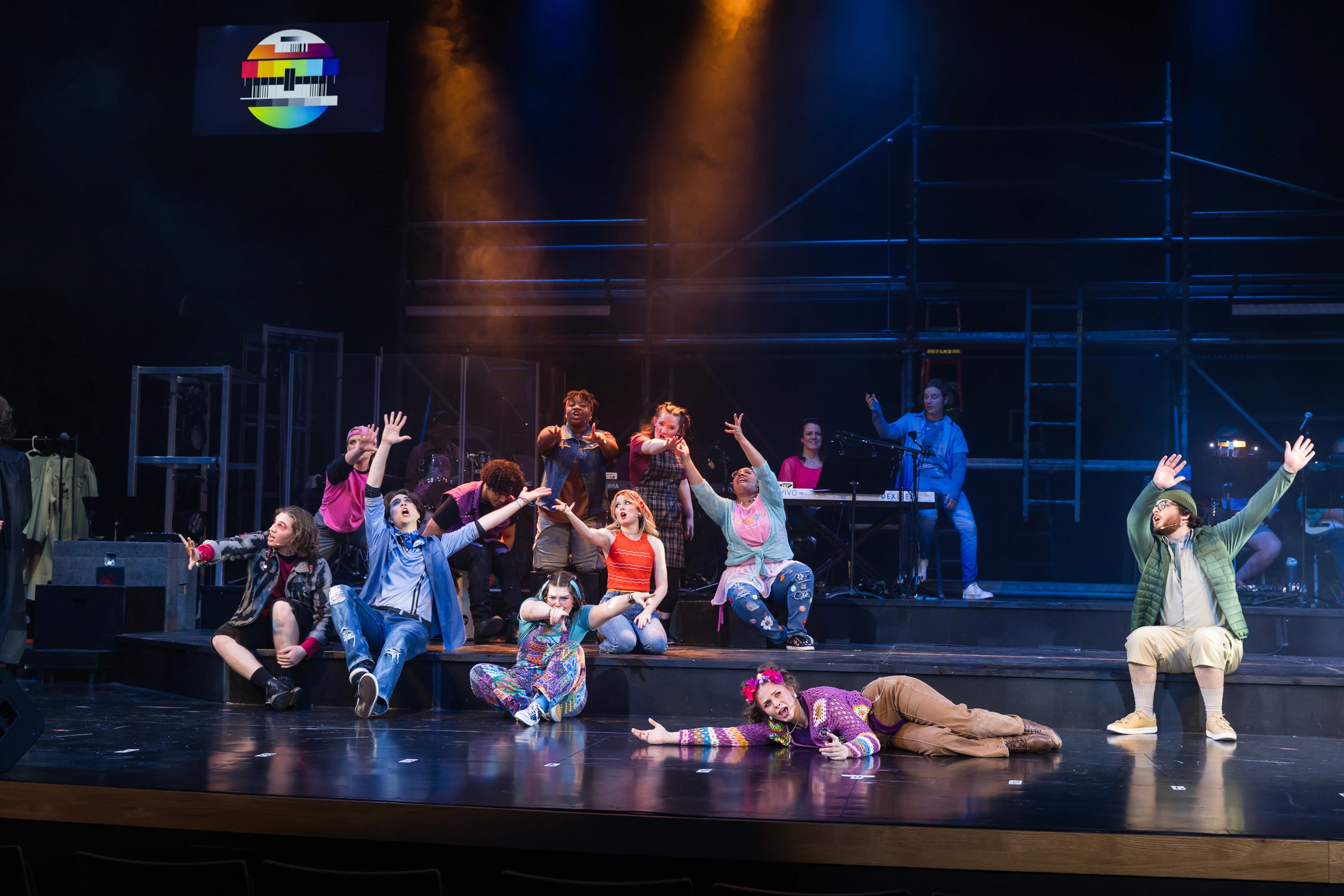
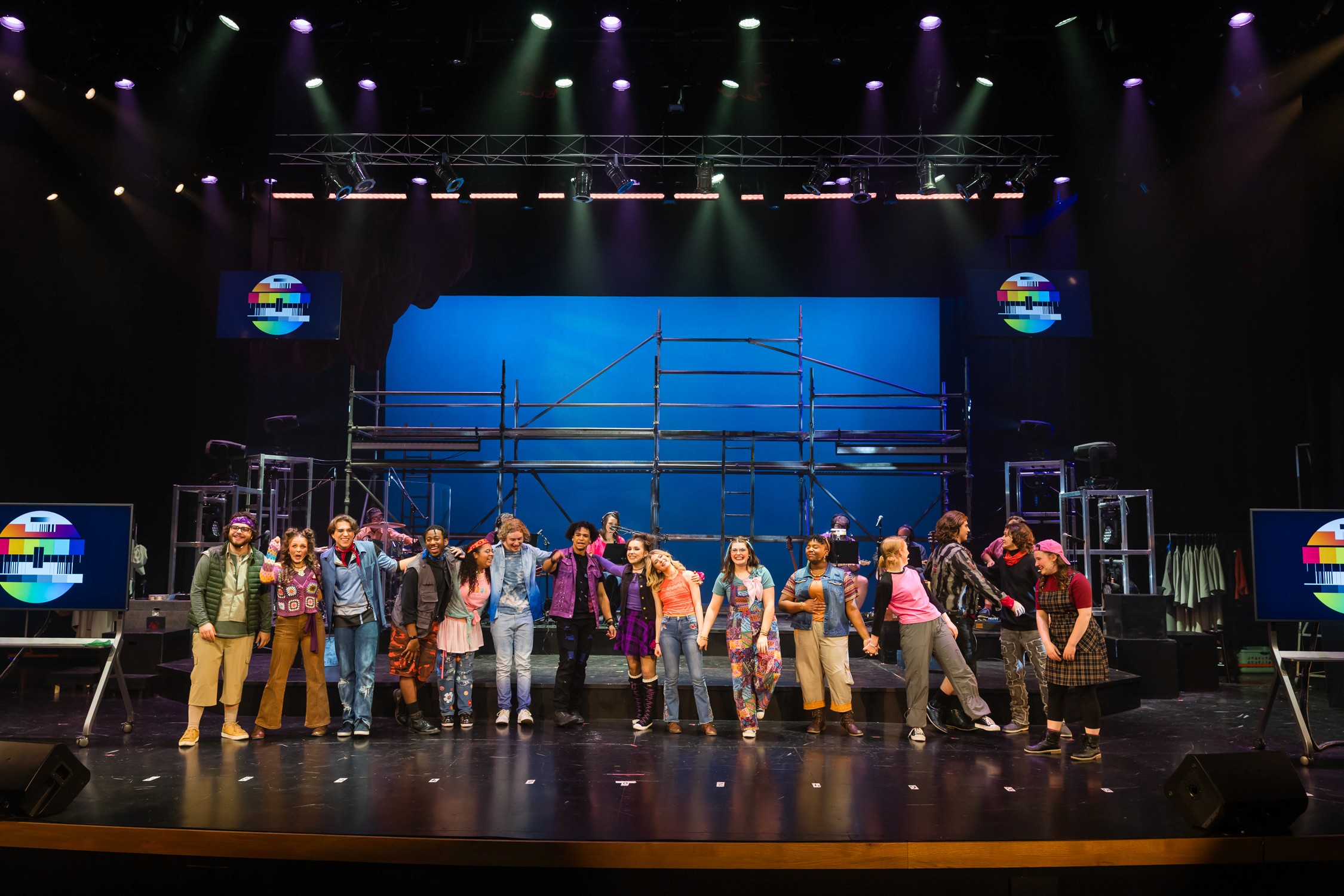
The first step was understanding the story, the themes of the play, and the creative vision of the production team. Because the project involved several areas of the art department, especially visual and media arts, we explored inspiration from broadcast television, particularly the visual language of color calibration bars and tone used in TV monitors.
This direction influenced both the color palette and the overall visual structure of the designs, including the static monitor imagery that appeared on screen during much of the performance.
challenges
One of the main challenges was designing visuals that worked across different mediums, print, projection, and video, while still feeling consistent. Because the visuals were part of a live performance, they needed to be readable, meaningful, and visually strong from a distance.
concept and inspiration
The concept combines broadcast aesthetics with the spiritual themes of the story. The color bars and monitor-inspired visuals represent communication, media, and contemporary visual culture, connecting the performance to a modern context.
At the same time, symbolic elements were incorporated to reflect the Christian narrative of the play. The drop shape represents Christ’s sacrifice, while the cross symbolizes His crucifixion. The use of black and white also carries meaning, representing the idea of redemption and the cleansing of sin through His sacrifice.
Design execution
The execution focused on creating a cohesive visual system that could work both as printed material, such as posters, and as digital visuals displayed during the performance. I developed a composition that balanced symbolism, color, and minimal design so the visuals would remain clear and impactful in a live theater environment.
The monitor-inspired composition and color elements became a recurring visual language across the project, helping unify the multimedia aspects of the production.
approach
The first step was understanding the story, the themes of the play, and the creative vision of the production team. Because the project involved several areas of the art department, especially visual and media arts, we explored inspiration from broadcast television, particularly the visual language of color calibration bars and tone used in TV monitors.
This direction influenced both the color palette and the overall visual structure of the designs, including the static monitor imagery that appeared on screen during much of the performance.
challenges
One of the main challenges was designing visuals that worked across different mediums, print, projection, and video, while still feeling consistent. Because the visuals were part of a live performance, they needed to be readable, meaningful, and visually strong from a distance.
concept and inspiration
The concept combines broadcast aesthetics with the spiritual themes of the story. The color bars and monitor-inspired visuals represent communication, media, and contemporary visual culture, connecting the performance to a modern context.
At the same time, symbolic elements were incorporated to reflect the Christian narrative of the play. The drop shape represents Christ’s sacrifice, while the cross symbolizes His crucifixion. The use of black and white also carries meaning, representing the idea of redemption and the cleansing of sin through His sacrifice.
Design execution
The execution focused on creating a cohesive visual system that could work both as printed material, such as posters, and as digital visuals displayed during the performance. I developed a composition that balanced symbolism, color, and minimal design so the visuals would remain clear and impactful in a live theater environment.
The monitor-inspired composition and color elements became a recurring visual language across the project, helping unify the multimedia aspects of the production.
approach
The first step was understanding the story, the themes of the play, and the creative vision of the production team. Because the project involved several areas of the art department, especially visual and media arts, we explored inspiration from broadcast television, particularly the visual language of color calibration bars and tone used in TV monitors.
This direction influenced both the color palette and the overall visual structure of the designs, including the static monitor imagery that appeared on screen during much of the performance.
challenges
One of the main challenges was designing visuals that worked across different mediums, print, projection, and video, while still feeling consistent. Because the visuals were part of a live performance, they needed to be readable, meaningful, and visually strong from a distance.
concept and inspiration
The concept combines broadcast aesthetics with the spiritual themes of the story. The color bars and monitor-inspired visuals represent communication, media, and contemporary visual culture, connecting the performance to a modern context.
At the same time, symbolic elements were incorporated to reflect the Christian narrative of the play. The drop shape represents Christ’s sacrifice, while the cross symbolizes His crucifixion. The use of black and white also carries meaning, representing the idea of redemption and the cleansing of sin through His sacrifice.
Design execution
The execution focused on creating a cohesive visual system that could work both as printed material, such as posters, and as digital visuals displayed during the performance. I developed a composition that balanced symbolism, color, and minimal design so the visuals would remain clear and impactful in a live theater environment.
The monitor-inspired composition and color elements became a recurring visual language across the project, helping unify the multimedia aspects of the production.
approach
The first step was understanding the story, the themes of the play, and the creative vision of the production team. Because the project involved several areas of the art department, especially visual and media arts, we explored inspiration from broadcast television, particularly the visual language of color calibration bars and tone used in TV monitors.
This direction influenced both the color palette and the overall visual structure of the designs, including the static monitor imagery that appeared on screen during much of the performance.
challenges
One of the main challenges was designing visuals that worked across different mediums, print, projection, and video, while still feeling consistent. Because the visuals were part of a live performance, they needed to be readable, meaningful, and visually strong from a distance.
concept and inspiration
The concept combines broadcast aesthetics with the spiritual themes of the story. The color bars and monitor-inspired visuals represent communication, media, and contemporary visual culture, connecting the performance to a modern context.
At the same time, symbolic elements were incorporated to reflect the Christian narrative of the play. The drop shape represents Christ’s sacrifice, while the cross symbolizes His crucifixion. The use of black and white also carries meaning, representing the idea of redemption and the cleansing of sin through His sacrifice.
Design execution
The execution focused on creating a cohesive visual system that could work both as printed material, such as posters, and as digital visuals displayed during the performance. I developed a composition that balanced symbolism, color, and minimal design so the visuals would remain clear and impactful in a live theater environment.
The monitor-inspired composition and color elements became a recurring visual language across the project, helping unify the multimedia aspects of the production.